Marlena Font: Modern Calligraphy for Editorial Design
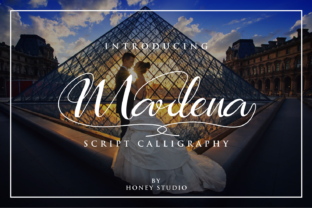
Finding the right typeface for editorial projects often feels like a balancing act between personality and professionalism. As content creators and designers, we need typography that captures attention without sacrificing clarity. Marlena is a modern fresh calligraphy font that strikes this delicate balance, offering a natural elegance that feels intentional rather than decorative. Unlike overly ornate scripts that can become illegible at smaller sizes or on mobile screens, Marlena maintains a clean structure that supports readable, attractive layouts across blogs, magazines, ebooks, and newsletters.
This typeface belongs to the Script Amp category, but it transcends typical handwritten aesthetics. Its strokes are fluid yet controlled, making it an excellent choice for publishers and bloggers who want to inject warmth into their digital and print publications. Whether you are designing a lifestyle magazine cover, formatting a recipe ebook, or creating social media graphics for a coaching brand, Marlena provides the visual anchor necessary to establish a cohesive brand identity.
Elevating Editorial Hierarchy and Visual Tone
In editorial design, typography dictates how a reader navigates content. Marlena excels as a display font for establishing visual hierarchy. Its distinct character shapes create immediate focal points, guiding the eye to headlines, pull quotes, and section breaks. When used for article titles or chapter openers, it signals a shift in tone, inviting the reader into a more personal or reflective narrative space.
The font’s modern calligraphy style is particularly effective for quote graphics and accent typography. In a long-form blog post or digital magazine feature, walls of text can fatigue readers. Inserting a key takeaway or testimonial set in Marlena breaks up the density while reinforcing the publication's aesthetic. Because the letterforms are balanced and not excessively swashed, they remain legible even when overlaid on textured backgrounds or photography, which is crucial for Instagram carousels, Pinterest pins, and newsletter headers.
Practical Applications Across Content Formats
Versatility is essential for content creators managing multiple output formats. Marlena adapts seamlessly to various editorial contexts:
- Lifestyle and Wedding Blogs: Use Marlena for category headers and featured image text to convey romance and sophistication without appearing dated.
- Ebooks and Guides: Perfect for title pages, chapter numbers, and sidebar tips in recipe books, travel guides, or self-help workbooks where a human touch enhances the instructional content.
- Newsletters and Email Marketing: Subject lines and header banners benefit from the font’s friendly yet polished vibe, increasing open rates and engagement through recognizable branding.
- Printables and Worksheets: The natural flow of the script makes checklists, planners, and journals feel bespoke and high-value, distinguishing paid digital products from generic freebies.
- Packaging and Product Labels: For creators selling physical goods alongside digital content, Marlena works beautifully on packaging design, tags, and thank-you cards to maintain brand consistency.
Readability Considerations for Screen and Print
While Marlena is undeniably stylish, its utility in publishing comes from its readability. Many script fonts fail in digital environments because thin strokes disappear on low-resolution screens or become pixelated. Marlena features robust stroke weights that hold up well in web design and PDF exports. This durability ensures that your ebook covers look crisp on e-readers and your blog headers remain sharp on mobile devices.
However, it is important to remember that Marlena is a creative font best suited for display purposes. It should not be used for body copy or extended reading passages. Reserve this typeface for titles, subtitles, captions, and short emphatic phrases. For longer text, prioritize reader comfort by pairing Marlena with a highly legible serif font or a clean sans serif font. This contrast not only improves accessibility but also makes the calligraphic elements pop more effectively against a neutral typographic background.
Strategic Font Pairing for Publication Branding
Successful editorial design relies on harmonious font pairing. Marlena’s modern freshness allows it to partner well with diverse typefaces depending on the desired mood. For a classic, high-end magazine feel, pair it with a traditional serif font like Playfair Display or Merriweather for body text. The contrast between the structured serif and the fluid script creates timeless elegance suitable for fashion, beauty, or literary publications.
For a more contemporary, minimalist blog or tech-adjacent newsletter, combine Marlena with a geometric sans serif font such as Montserrat or Lato. This pairing feels airy and approachable, ideal for wellness brands, educational content, or modern lifestyle guides. When designing printable planners or worksheets, a simple rounded sans serif complements Marlena’s organic curves without competing for attention, ensuring that functional elements like dates and checkboxes remain clear.
Maximizing Typographic Features and Assets
To fully leverage Marlena as a premium font asset, explore its included OpenType features. Modern calligraphy fonts often contain alternate characters, ligatures, and swashes that allow for custom logo design and unique header treatments. These variations prevent repetition in recurring elements like weekly newsletter banners or series titles, keeping your visual branding dynamic.
Check the font file for multilingual support if you publish content for international audiences or create bilingual resources. Ensuring that accented characters match the base alphabet’s style is vital for maintaining professional quality in global publications. Additionally, review the available weights; having multiple options allows you to use Marlena for both bold cover titles and lighter subtitle accents within the same design system.
Licensing for Commercial Content Creation
As publishers and digital product creators, understanding licensing is non-negotiable. Marlena is a commercial font, and proper licensing protects both the designer and your business. If you plan to use this typeface in ebooks, templates, paid newsletters, client publications, or merchandise for sale, verify that your license covers these specific uses. Desktop licenses typically cover static images and print materials, while webfont licenses are required for embedding the font directly into website CSS.
For digital products like editable Canva templates or proprietary software, you may need a specialized app or template license. Always review the End User License Agreement (EULA) before launching a new product line. Investing in the correct license ensures that your editorial assets remain compliant and sustainable as your content brand grows. By treating typography as a strategic business asset rather than just a decorative afterthought, you build a stronger, more professional foundation for all your publishing endeavors.